
HIPAA Compliance Isn't Optional
If you handle sensitive patient data in your healthcare organization, you're legally required to protect it with robust security measures. We make comprehensive data protection simple and straightforward for your team.



The gap most practices miss
Your EHR vendor handles their platform. Everything else falls on you.

Your EHR' certification doesn't cover your policies
A certified platform protects the software. Your workforce access, device management, and breach procedures are your responsibility. OCR audits the program, not just the system.
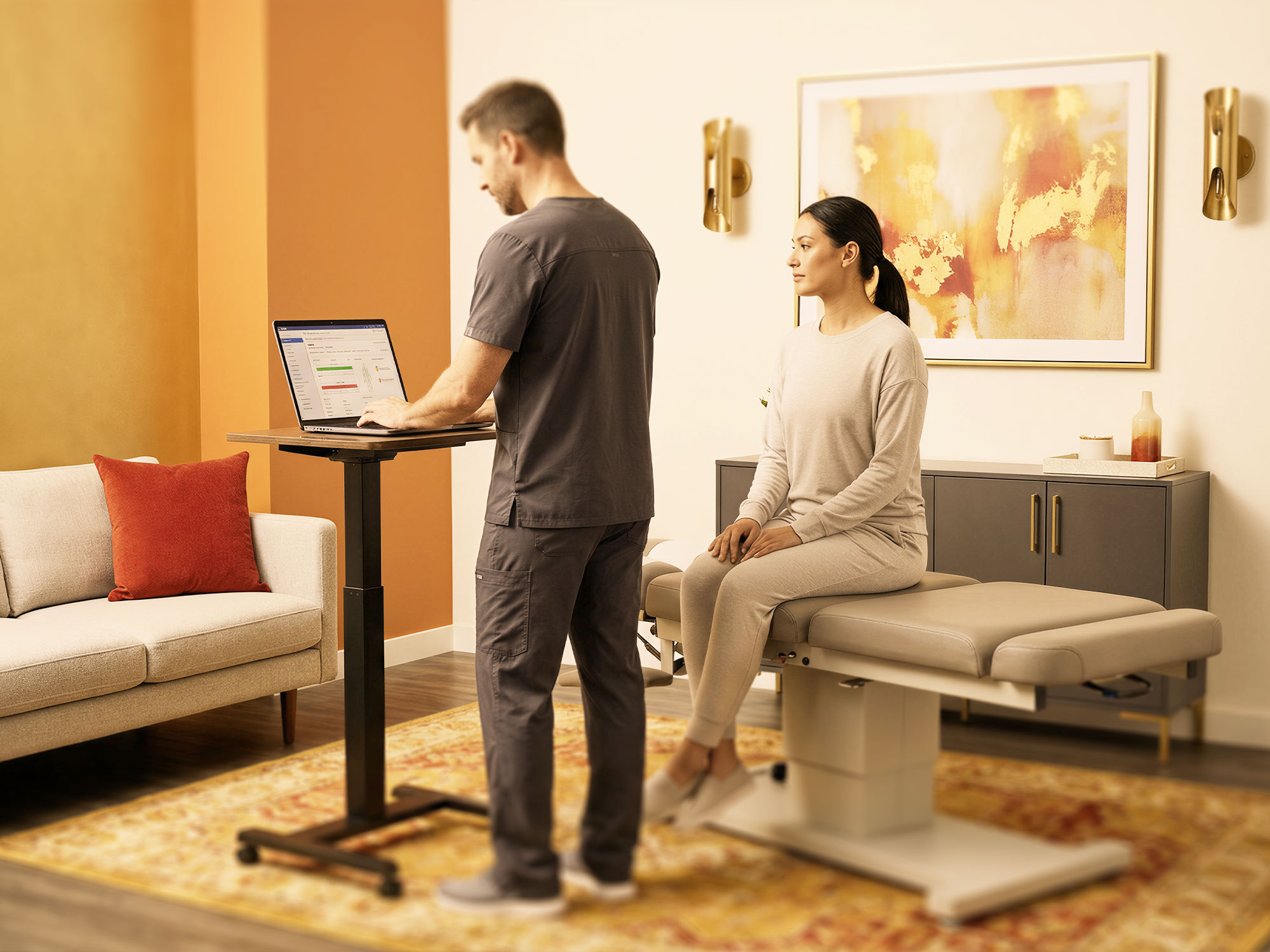
Small practices draw the most enforcement attention
The majority of OCR actions target mid-sized practices. One complaint triggers an investigation. Your size offers no protection.

Gaps surface when you least expect them
Patient notes on personal phones. Undeactivated logins. Missing business associate agreements. No breach response plan. Small oversights become big violations.
Patient data breaches carry consequences that extend far beyond your practice. One oversight can trigger fines, lawsuits, and irreversible damage to your reputation.
What compliance requires
Everything OCR audits for, built and documented.

Written Security Risk Assessment
Document your safeguards and prove compliance to regulators.

Access controls and workforce management
Unique user IDs, role-based access, documented training.

Technical safeguards and encryption
Encryption at rest and in transit, audit logs enabled.
What OCR actually looks for in an audit
Regulators don't care about your EHR vendor's certifications. They audit your written policies, access controls, and breach procedures. Most practices fail here.
The cost of getting compliance wrong
Heavy fines. Mandatory audits. Legal exposure. Corrective action orders. Your practice pays the price when safeguards fail.
The controls regulators actually enforce
Written policies. Risk analysis. Access management. Breach procedures. Device controls. These aren't suggestions—they're requirements.
Know where your practice stands right now
A free assessment reveals your gaps before regulators do. Thirty minutes. One written report. No obligation.
One Framework:
Purpose in Every Step
We don’t take a one-size-fits-all approach. Every industry has different rules, risks, and requirements—but they all follow the same proven framework: Assess, Document, Verify, Defend. This isn’t just paperwork. It’s a system built to actually protect your business and stand up when it matters.

Pillar 01:
Assess
Find out where your firm actually stands — against every applicable requirement, in plain language. Nothing assumed. Every gap documented before anything else happens.

Pillar 02: Document
Build the written program. WISP, risk assessment, incident response plan — written for your firm, not pulled from a template library with your name on it.
Pillar 03:
Implement & Verify
Confirm that what's in place is actually working. Backups tested. Access reviewed. Controls confirmed. Paper and practice are often two different things.

Pillar 04:
Maintain & Defend
Maintain the program continuously. Staff changes, threats evolve, regulations update. A security program that isn't actively maintained is a record of what you used to have.
HIPAA High-Tech FAQs
Everything you need to know about staying compliant.
If you handle patient data in any form, yes. It applies to healthcare providers, vendors, and any business that touches protected health information.
Any health information tied to a person's identity. This includes medical records, diagnoses, treatment plans, and billing information.
No. Clinics, therapy practices, pharmacies, and any business working with patient data must comply. Even vendors and contractors handling PHI are responsible.
You must report it immediately and notify affected individuals. Delays make things worse. A solid response plan is essential.
Start with a risk assessment, build your safeguards, train your team, and document everything. We handle the heavy lifting for you.
Need more help?
Reach out and we'll walk you through it.
We've built this firm on referrals. The work speaks for itself from the first interaction.
Real firms. Real protection. Real confidence in what comes next.
We Are Trusted by Businesses That Can’t Afford to Get It Wrong!



Know where you stand
before moving forward.
A free assessment tells you exactly what's missing. A written report is yours to keep — no strings attached, no pressure, no unwanted follow-ups. The report stays with you regardless of what you decide to do next.
Thirty minutes. One report. Everything you need to know.